"Pediatric Onset Relapsing Polychondritis with Otolaryngeal Manifestations: A Comprehensive Review"
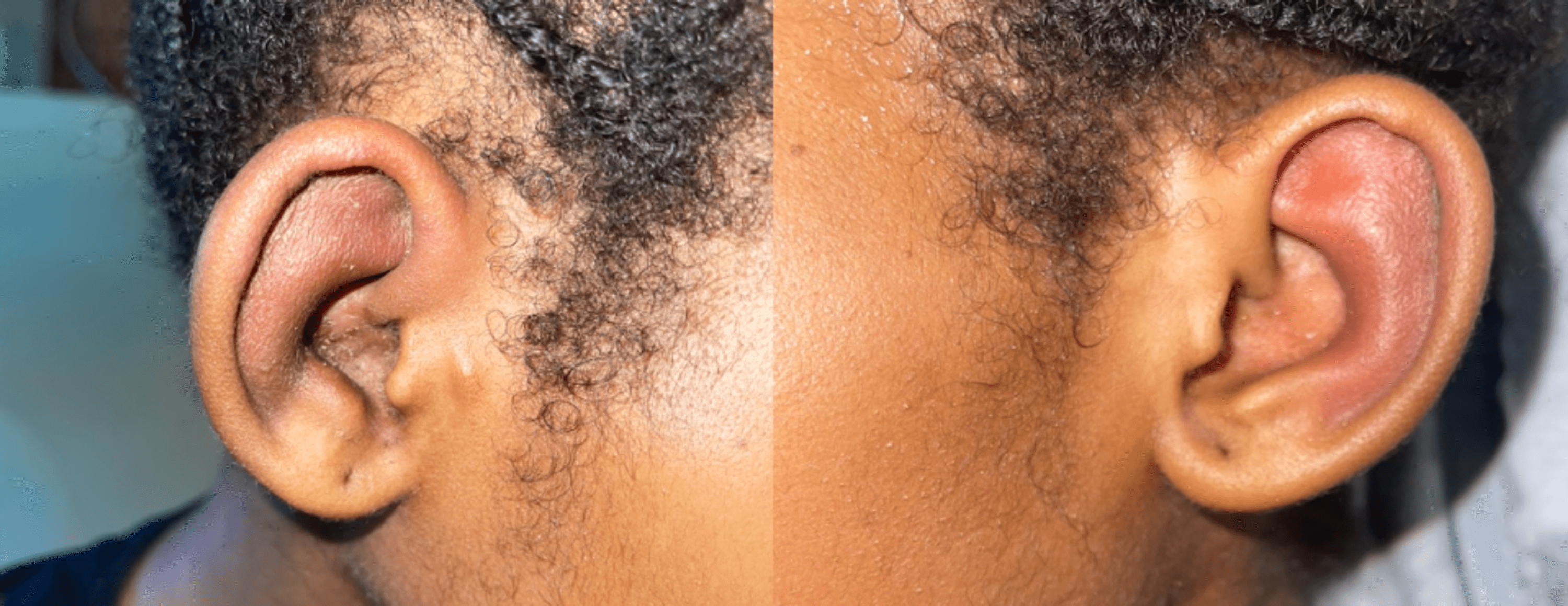 Introduction:Relapsing Polychondritis (RP) is rare autoimmune disorder characterized by recurrent inflammation of cartilaginous tissues throughout the body.
. In this comprehensive review, we explore the clinical features, diagnostic challenges, and management approaches for pediatric patients with RP, shedding light on this complex and understudied condition.
I. Understanding Pediatric Onset Relapsing Polychondritis:
- Explaining the rarity of RP in children and highlighting the significance of recognizing pediatric onset cases.
- Discussing potential differences in clinical presentation, disease course, and treatment response between pediatric and adult patients.
II. Clinical Presentation and Otolaryngeal Manifestations:
Ear Involvement:
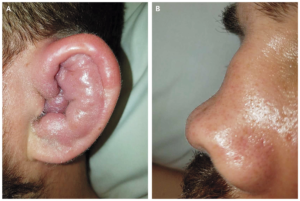
- Describing common otolaryngeal manifestations in pediatric RP, including auricular chondritis, hearing loss, and vestibular dysfunction.
- Discussing impact of ear involvement on the quality of life and potential long-term complications.
Nose and Sinus Involvement:
- Exploring the nasal manifestations of RP, such as nasal chondritis, saddle nose deformity, and chronic sinusitis.
- Highlighting challenges in diagnosing and managing nasal involvement in pediatric patients.
Laryngotracheal Involvement:
- Discussing the potential complications of RP in larynx and trachea, including airway stenosis, hoarseness, and dyspnea.
- Addressing the importances of early recognition and appropriate intervention in managing laryngotracheal manifestations.
III. Diagnostic Challenges and Approaches:
Clinical Evaluation:
- Describing the importance of a thorough clinical examination, including detailed history-taking and physical assessments, to identify potential signs and symptoms of RP.
Laboratory and Imaging Studies:
- Discussing the role of laboratory tests, such as inflammatory markers and autoantibody profiles, in supporting the diagnosis of RP.
- Highlighting utility of imaging modalities, such as computed tomography (CT) and magnetic resonance imaging (MRI), in evaluating cartilaginous involvement.
Biopsy and Histopathological Evaluations:
- Explaining the role of cartilage biopsy and histopathological examinations in confirming diagnosis of RP and ruling out others potential causes of cartilage inflammation.
IV. Management Approaches:
Pharmacological Interventions:
- Discussing use of non-steroidal anti-inflammatory drugs (NSAIDs), corticosteroids, disease-modifying anti-rheumatic drugs (DMARDs), and biologic agents in the treatment of pediatric RP.
- Addressing the challenges and considerations in selecting appropriate medications and monitoring for potential side effects.
Otolaryngological Interventions:
- Exploring the role of surgical interventions, such as auricular reconstruction, nasal septoplasty, and tracheal dilatation, in managing otolaryngeal manifestations of RP.
- Highlighting the importance of a multidisciplinary approach involving otolaryngologists, rheumatologists, and other specialists in providing comprehensive care.
V. Prognosis and Follow-up:
- Discussing variable and unpredictable nature of RP, including the potential for relapses and complications in pediatric patients.
- Emphasizing importance of long-term follow-up, monitoring disease activity, and addressing potential sequelae.
Comments
Post a Comment