" How Uncontrolled Stress Impacts Your Menstrual Cycle - Insights from an Expert"
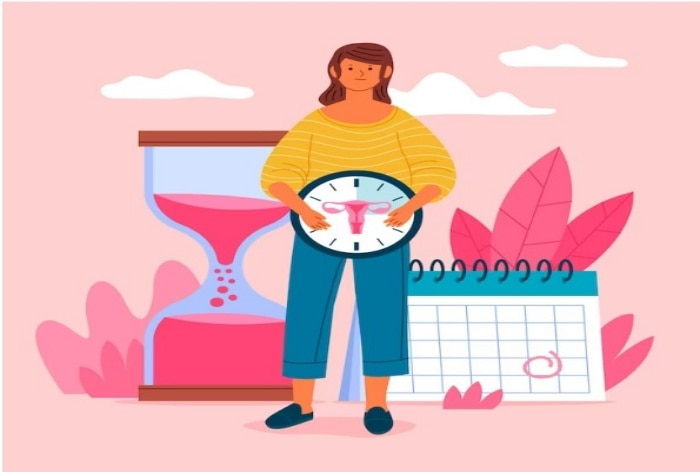
The intricate relationship between stress and menstrual cycle has long intrigued researchers and women alike.
In this comprehensive article, we delve into the impact of uncontrolled stress on the menstrual cycle, shedding light on physiological mechanisms potential disruptions, and practical strategies to restore balance and well-being.
I. Understanding the Menstrual Cycle:
- A brief overview of the menstrual cycle, its phases, and the hormonal interplay that orchestrates this intricate process.
- Highlighting significance of regularity and balance for overall reproductive health.

II. Stress and Its Effects on the Menstrual Cycle:
The Stress Response System:
- Explaining the body's physiological response to stress, involving the hypothalamic-pituitary-adrenal (HPA) axis, and the release of stress hormones such as cortisol.
- Discussing the impact of prolonged or chronic stress on the delicate hormonal balance essential for menstrual regularity.

Disruptions in Hormonal Patterns:
- Examining how uncontrolled stress can disrupt the delicate interplay between hormones involved in menstrual cycle such as follicle-stimulating hormone (FSH), luteinizing hormone (LH), estrogen, and progesterone.
- Discussing potentialS consequences, including irregular menstrual cycles, anovulation, and hormonal imbalances.
Length and Intensity of Menstrual Flow:
- Exploring how stress can affect the length and intensity of menstrual flow, leading to variations in cycle lengthS, prolonged periods, or heavy menstrual bleeding.
- Discussing the underlying mechanism and potential impact on women's quality of life.
III. Stress-Related Conditions and Menstrual Irregularities:
Polycystic Ovary Syndrome (PCOS):
- Examining link between stress PCOS, and its impact on menstrual irregularities.
- Highlighting the importance of stress management in the comprehensive management of PCOS.
Amenorrhea:
- Discussing the association between chronic stress and amenorrhea, a condition characterized by absence of menstrual periods.
- Exploring the underlying hormonal imbalances and potential consequences for reproductive health.
IV. Coping with Stress and Restoring Menstrual Balance:
Stress Management Techniques:
- Providing practical strategies to manage and reduce stress levels, including mindfulness, relaxation; exercises, regular physical activity, and healthy coping mechanisms.
- Highlighting the role of social support and self-care practices in stress reduction.

Lifestyle Modifications:
- Discussing importance of maintaining a balanced lifestyle, including a nutritious diet, adequate sleep, and healthy habits.
- Emphasizing the need to address underlying health conditions and seek professional help when necessary.
Seeking Professional Guidance:
- Advising women experiencing significant menstrual disruption due to uncontrolled stress to consult healthcare professionals specializing in reproductive health.
- Discussing potential role of counseling, cognitive-behavioral therapy (CBT), or medication in managing stress-related menstrual irregularities.
V. Empowering Women through Knowledge:
- Encouraging women, to track their menstrual cycles, observe patterns, and seek medical advice when experiencing significant deviation.
- Promoting awareness about the impact of stress, on menstrual health and the importance of proactive self-care.
Conclusion:
The intricate relationship between uncontrolled stress and menstrual cycle highlights the need to women's health.
By understanding the physiological mechanisms and adopting stress management strategies, women can proactively support theirS menstrual health, restore balance, and cultivate overall well-being.
Comments
Post a Comment